Stone Masonry vs. Brick Masonry: Key Differences
People exploring stone masonry vs. brick masonry can find local contractors who specialize in durable, aesthetically pleasing stonework or brickwork to meet their project needs.
If property owners are considering masonry options for their next project, understanding the differences between stone masonry and brick masonry can be essential. These two methods each offer distinct aesthetic qualities, durability levels, and practical benefits that can influence long-term maintenance and overall appearance. Whether updating a fireplace, constructing a retaining wall, or enhancing a facade, exploring these options helps ensure the right choice aligns with both style preferences and practical needs. Local contractors specializing in stone masonry can provide valuable insights into how these materials perform in the local environment, helping property owners make informed decisions.
Continuing to explore the key differences between stone masonry and brick masonry can reveal which approach best suits specific projects and property types. While brick masonry often offers versatility and a more uniform look, stone masonry can provide a natural, timeless appeal with exceptional strength. For property owners interested in longevity and unique character, local service providers experienced in stone masonry are equipped to help assess the advantages and limitations of each material. Reading further can help uncover practical considerations and inspire ideas for projects that enhance both the beauty and durability of a property.
- Stone masonry - ideal for constructing durable, natural stone walls and features where strength and aesthetic appeal are priorities, with local contractors focusing on precise stone placement.
- Brick masonry - suited for creating uniform, cost-effective structures like facades and partitions, with service providers emphasizing efficient installation techniques.
- Stone masonry - often chosen for retaining walls and outdoor hardscapes that require weather resistance, with local pros utilizing specialized tools for shaping and setting stone.
- Brick masonry - commonly used for interior and exterior walls that benefit from consistent appearance and quick construction, with contractors focusing on mortar application and alignment.
- Stone masonry - preferred for historic restorations and custom stone features, with local experts skilled in matching existing stonework and preserving structural integrity.
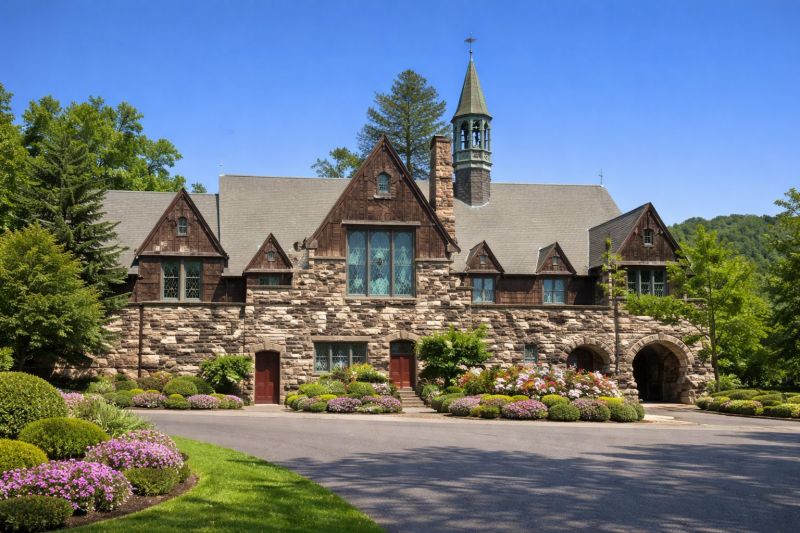
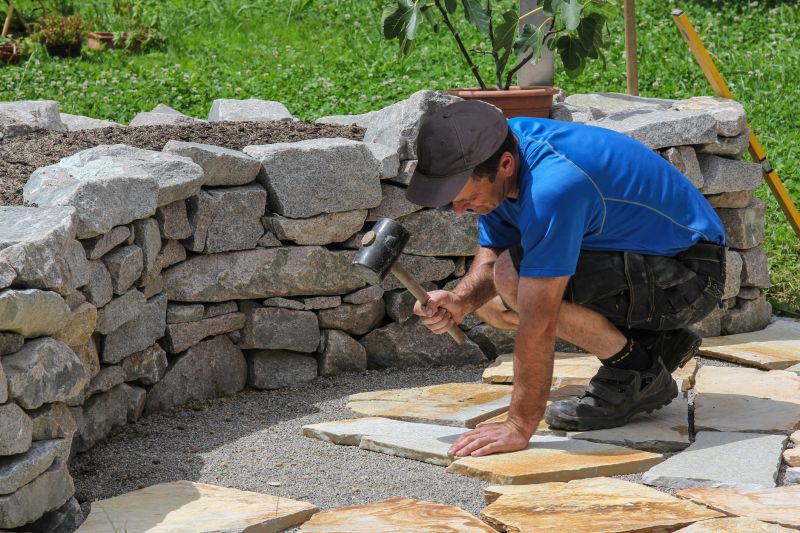
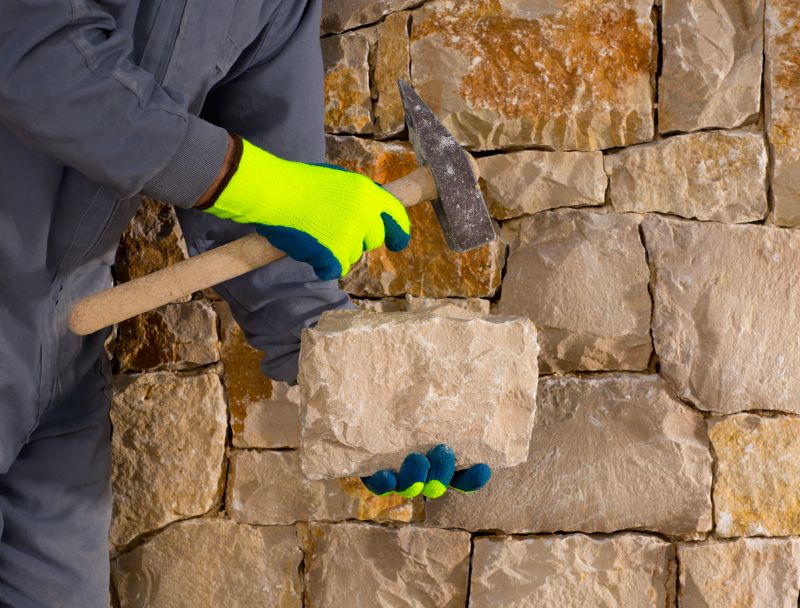
When homeowners search for information about stone masonry versus brick masonry, they are typically trying to understand the fundamental differences between these two popular building methods. The choice often relates to projects involving exterior walls, patios, walkways, or decorative features that require durable, long-lasting materials. People usually want to know which option best suits their property's style, structural needs, and maintenance expectations. Understanding these differences helps homeowners make informed decisions when planning renovations or new construction, ensuring the selected material aligns with their aesthetic goals and functional requirements.
This comparison often comes up in the context of property improvements, such as creating a distinctive façade, restoring historic features, or building retaining walls. Problems that lead to exploring stone versus brick include concerns about weather resistance, longevity, and visual appeal. Homeowners may also be considering plans that involve integrating these materials with existing structures or matching the architectural style of their property. Since both stone and brick can significantly influence the overall look and feel of a property, understanding their key differences helps in choosing the right material for specific projects, whether it’s for a traditional home, a commercial building, or a landscape feature.
Properties that frequently involve stone masonry or brick masonry projects tend to be residential homes, especially those with historic or classic designs, as well as commercial or public buildings that aim for a timeless appearance. Stone masonry is often used for foundations, retaining walls, or decorative facades where strength and a natural look are priorities. Brick masonry, on the other hand, is common in constructing walls, chimneys, and accents that require a more uniform appearance and easier installation. Local service providers specializing in either type of masonry can help evaluate the property's needs, recommend suitable materials, and execute the work with attention to durability and aesthetic harmony.
Understanding the key differences between stone masonry and brick masonry is essential for homeowners planning specific projects. Stone masonry generally involves using natural stones, which can be irregular in shape and size, providing a rugged, organic appearance. It is often more labor-intensive and requires specialized skills, but it offers exceptional durability and a distinctive look. Brick masonry utilizes manufactured clay or concrete bricks, which are uniform and easier to work with, making it a popular choice for projects that benefit from consistency and ease of installation. Local contractors experienced in both types of masonry can advise on the best material for the project’s goals, helping homeowners achieve a result that meets their practical needs and aesthetic preferences.
Stone Veneer Projects - Local contractors skilled in stone veneer applications can help with decorative facades that highlight the natural beauty of stone masonry versus brick masonry.
Retaining Wall Construction - Building durable retaining walls requires expertise in both stone and brick masonry techniques, with local pros able to advise on material selection and structural planning.
Fireplace and Chimney Installations - Crafting fireplaces and chimneys involves masonry skills that differ depending on whether stone or brick is used, with local service providers ready to assist.
Paving and Walkway Designs - Masonry contractors can create custom paving solutions using stone or brick, emphasizing the differences in material handling and aesthetic appeal.
Facade Restoration Projects - Restoring historic facades often involves matching original stone or brick materials, with local pros experienced in masonry preservation techniques.
Landscape Wall Construction - Building landscape and garden walls requires masonry expertise, with local contractors able to recommend suitable materials based on project needs.
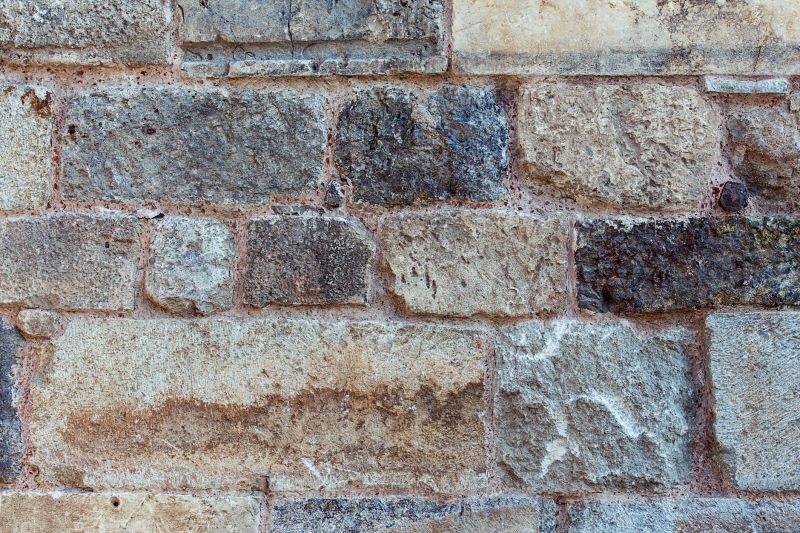
When evaluating service providers for stone masonry versus brick masonry projects, it’s important to consider their experience with similar types of work. Homeowners should inquire about the contractor’s background in handling projects that involve natural stone or brick, as each material requires specific skills and techniques. A contractor with a proven track record in stone masonry can demonstrate familiarity with the unique challenges of working with different types of stone, such as limestone, granite, or fieldstone, and how to achieve durable, aesthetically pleasing results. Comparing how many comparable projects a local contractor has completed can provide insight into their expertise and confidence in delivering quality craftsmanship tailored to stone masonry needs.
Clear, written expectations are essential when choosing between stone and brick masonry services. Homeowners should seek detailed proposals that outline the scope of work, materials to be used, and the specific processes involved. This helps ensure that both parties have a shared understanding of the project’s requirements and reduces the risk of misunderstandings. Since stone masonry often involves more complex techniques and considerations than brickwork, having well-documented expectations can serve as a reference point throughout the project. Reputable local service providers will be transparent about their approach and willing to provide comprehensive written information to support informed decision-making.
Good communication and reputable references are crucial factors when comparing local contractors for stone masonry services. Homeowners should ask for references from past clients who had similar projects completed, especially those involving natural stone work. This can provide insight into the contractor’s ability to manage the nuances of stone masonry and their overall professionalism. Additionally, assessing how well a contractor communicates-whether they are responsive, clear, and attentive to questions-can indicate their commitment to customer satisfaction and project success. Effective communication ensures that expectations are aligned, questions are addressed promptly, and the project proceeds smoothly from start to finish.
Property owners often search for stone masonry vs. brick masonry: key differences when they are planning practical projects around their homes and businesses. Local pros provide Stone Masonry services for everyday jobs and straightforward project options.
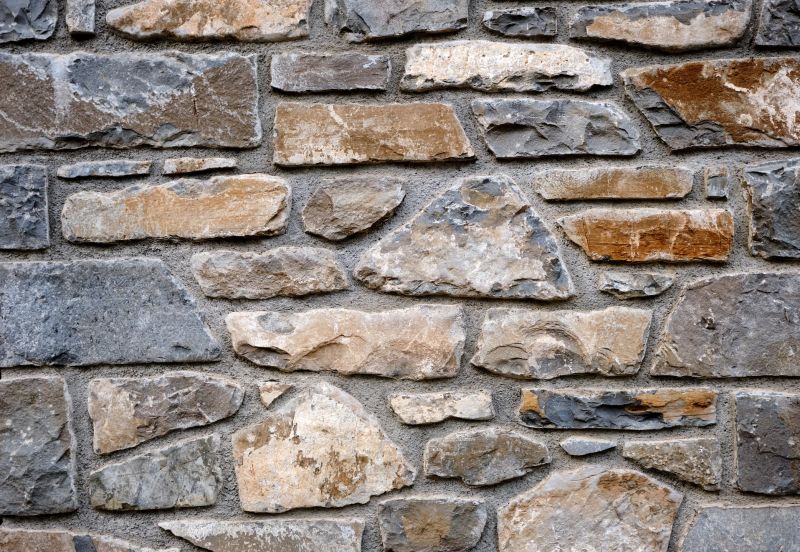
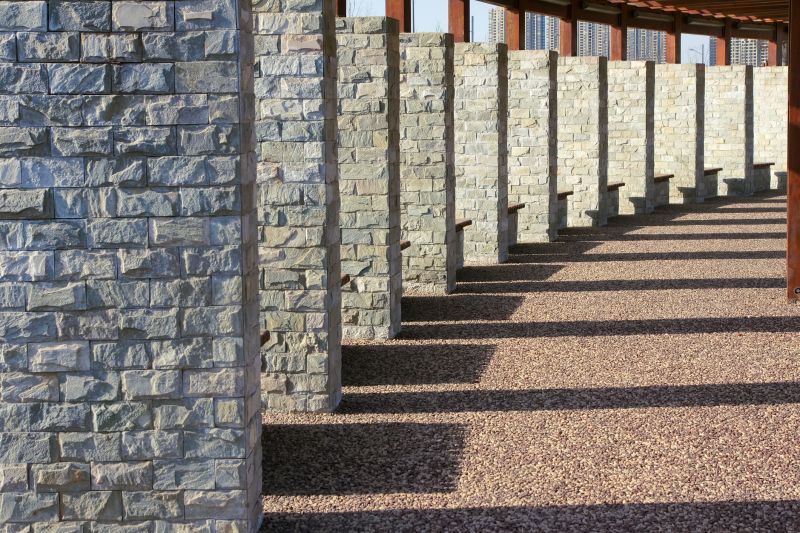
Understanding the differences between stone masonry and brick masonry can help property owners make informed decisions for various projects, such as building retaining walls, fireplaces, or decorative facades. Stone masonry typically involves working with natural stones, which can offer a more rugged and durable appearance, often suited for projects that require strength and a timeless look. Brick masonry, on the other hand, uses manufactured bricks that are uniform in size and shape, making it a popular choice for creating smooth, consistent surfaces and structures. Local contractors experienced in both methods can advise on which material best suits the aesthetic and functional needs of the property, ensuring the project’s longevity and visual appeal.
Many property owners look up this topic to better understand the practical differences when planning renovations or new construction. Stone masonry tends to be more labor-intensive and can provide a distinctive, natural look that blends well with outdoor environments. Brick masonry generally offers easier installation and a wider variety of colors and styles, making it a versatile choice for different designs. Local service providers can help evaluate the specific requirements of each project, guiding property owners toward the right masonry approach based on factors like durability, style preferences, and budget considerations.
What is the main difference between stone masonry and brick masonry? Stone masonry uses natural stones, offering a more traditional and durable appearance, while brick masonry involves shaped clay bricks, which are often more uniform and easier to work with. Local contractors can help determine which material suits specific project needs.
How does the appearance of stone masonry compare to brick masonry? Stone masonry typically provides a rustic, natural look with varied textures and colors, whereas brick masonry offers a more uniform, structured appearance with consistent color and pattern. Service providers can advise on the aesthetic that best fits a property.
Are there structural differences between stone and brick masonry? Yes, stone masonry generally provides greater strength and durability, especially for load-bearing walls, while brick masonry is often used for decorative or non-structural purposes. Local pros can assess which material aligns with structural requirements.
What maintenance considerations are different for stone versus brick masonry? Stone masonry usually requires less maintenance due to its durability, while brick masonry may need periodic repointing or sealing to prevent moisture infiltration. Contractors can offer guidance on upkeep for each material.
Can local service providers help decide between stone and brick masonry for a project? Absolutely, experienced local contractors can evaluate the project's goals, site conditions, and aesthetic preferences to recommend the most suitable masonry material for the job.
Choosing durable materials - property owners can work with local contractors to select stone or brick for outdoor features that withstand weather and daily wear.
Designing aesthetic features - property owners might incorporate stone or brick masonry into fireplaces, walkways, or accent walls with guidance from local pros.
Understanding material differences - property owners can learn how stone and brick masonry differ in appearance and structural support when planning renovations.
Matching masonry styles to property needs - property owners can consult local contractors to determine whether stone or brick masonry best complements their property's style and function.
If you are thinking about stone masonry vs. brick masonry: key differences for a property, this guide is meant to help you understand this topic, the typical project types, and how different options might fit your plans.
When you are ready, you can use the quote form on this page to share a few details about your project. From there, local pros can review the basics and follow up with options that match what you have in mind.